


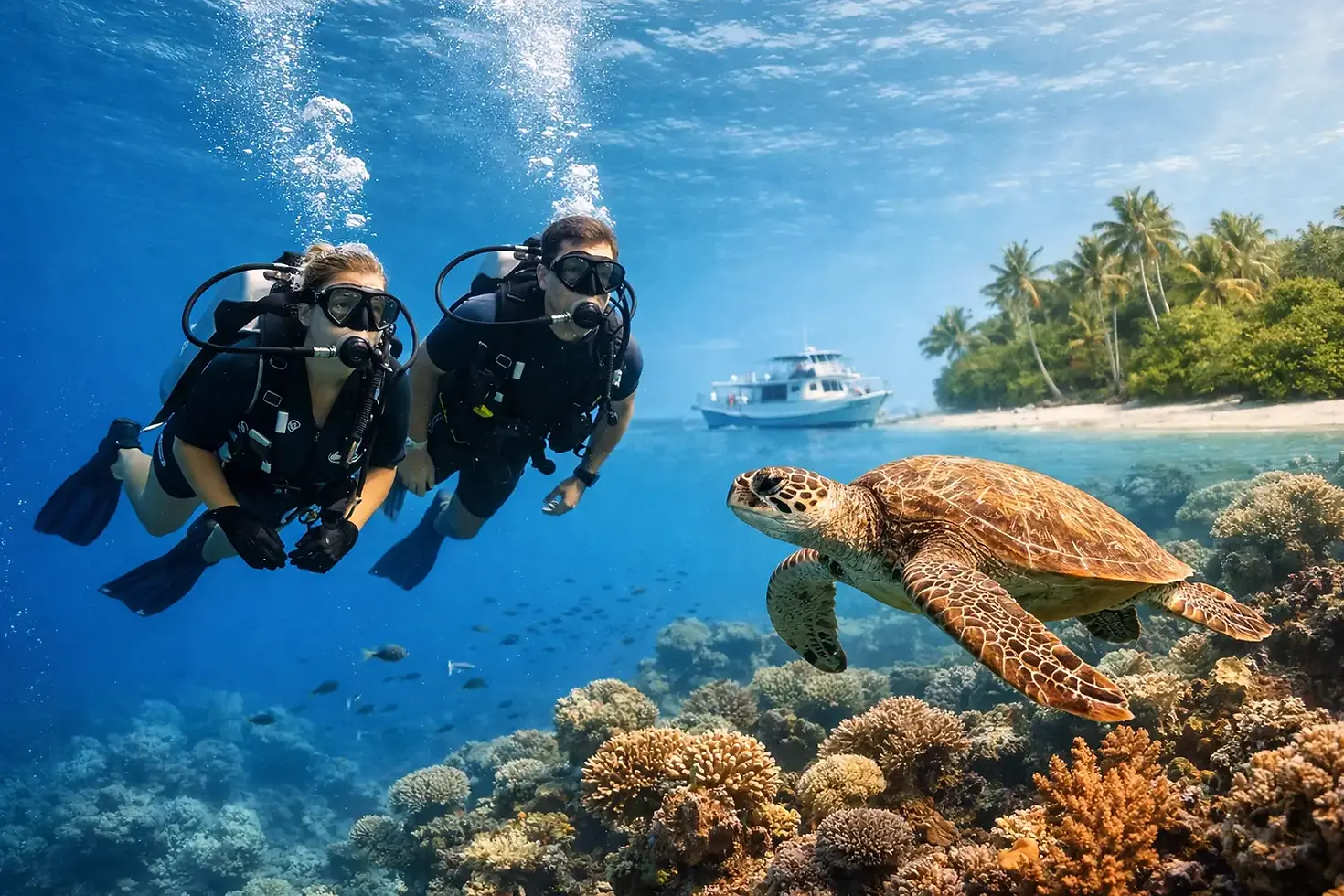
9 Best Scuba Trips for Newly Certified Divers

That first trip after certification can shape the kind of diver you become. Pick the right destination, and you build confidence, sharpen buoyancy, and actually enjoy the learning curve. Pick the wrong one, and you can end up tired, overmatched, and wondering why everyone else seems so relaxed. That is why choosing the best scuba trips for newly certified divers is less about chasing famous names and more about finding places that are forgiving, well-run, and genuinely fun.
For most new divers, the sweet spot is simple: warm water, good visibility, mild current, easy boat entries, and dive operators who are used to helping people with fewer than 20 dives. You want enough marine life to feel excited, but not conditions that turn every dive into a stress test. That balance matters more than bragging rights.
What makes the best scuba trips for newly certified divers?
The best beginner-friendly dive trips are not always the most remote or the most advanced. They are the ones that let you settle in fast. Short transfers help. So do destinations with lots of half-day diving, protected sites, and the option to skip a dive if you need a break without feeling like you wasted the whole trip.
Depth profile matters too. Newly certified divers often do best where there is plenty to see in the 30 to 60 foot range. You do not need a wall dropping into the abyss to have a great trip. Healthy reefs, turtles, rays, reef sharks, and good fish life at moderate depths are often a better fit.
There is also a practical side people overlook. Flights, jet lag, ferry schedules, gear hauling, and whether you are staying at a dive resort versus moving around can all affect how fresh you feel underwater. A trip that looks great on paper can become a lot less appealing if it takes two days of connections and a chaotic transfer just to get to the boat.
1. Cozumel, Mexico
Cozumel earns its place on this list for one big reason: it makes new divers feel like better divers. The visibility is usually excellent, the water is warm, and the reefs are full of life. Yes, many dives are drift dives, but on well-chosen sites and with a good guide, that can actually reduce workload rather than increase it. You are not fighting to navigate. You are relaxing, staying with the group, and enjoying the reef.
This is especially good for newly certified divers who want easy access from the US and do not want a complicated travel day. Many resorts and operators are set up for diver convenience, which means shorter commutes, predictable schedules, and plenty of experience with mixed-skill groups. The trade-off is that if you are nervous about current, you need the right briefing and the right site selection. Cozumel is beginner-friendly in the right hands, not automatically beginner-perfect in every condition.
2. Roatan, Honduras
Roatan is one of the easiest Caribbean choices for a first dive vacation. The reef system is packed with colorful marine life, boat rides are often short, and many sites offer calm conditions with straightforward profiles. It is the kind of place where you can do a morning two-tank trip and still have energy to enjoy the rest of your day.
For new divers, that balance is ideal. You get variety without feeling rushed. Roatan also works well for couples and groups where not everyone wants a hard-core dive schedule. One person can do a full dive package while another mixes in beach time, snorkeling, or resort downtime.
3. Bonaire
Bonaire is often described as shore-diving heaven, and that is true, but it is not the right fit for every newly certified diver. If you are comfortable handling your gear, managing entries, and navigating a bit more independently, Bonaire can be fantastic. The conditions are often calm, the reefs are accessible, and you can dive on your own schedule.
If you are brand new and still want a lot of hand-holding, a boat-diving destination may feel easier. That is the trade-off. Bonaire gives you freedom, but it also rewards confidence and self-sufficiency. For some new divers, that is empowering. For others, it is better as a second or third trip once the basics feel automatic.
4. Grand Cayman, Cayman Islands
Grand Cayman is polished, easy to navigate, and consistently friendly to newer divers. The visibility is often excellent, the reef and wall diving can be adjusted for experience level, and many operators are very good at matching divers to appropriate sites.
This is a smart option if you want comfort and predictability. It is not usually the cheapest Caribbean trip, but the logistics tend to be smooth, and that counts for a lot when you are still building confidence. Grand Cayman is especially appealing for travelers who want a well-rounded vacation with good hotels, easy dining, and non-diving options that feel just as easy as the underwater part.
5. Curaçao
Curaçao deserves more attention from newly certified divers. It offers many of the same warm-water benefits people love in the Caribbean, but with a laid-back pace that suits first-time dive travelers well. There is a mix of boat and shore diving, generally good visibility, and plenty of reef life at comfortable depths.
Like Bonaire, shore diving is part of the appeal, but Curaçao can feel a little more flexible for newer divers who want to blend guided dives with independent exploring later in the trip. If you like the idea of easing into confidence rather than being pushed into it, Curaçao is a strong pick.
6. Florida Keys, USA
The Florida Keys are a practical first trip, especially if you want to keep things simple and domestic. You avoid passports, long-haul flights, and a lot of the logistical friction that can make international dive travel feel bigger than it needs to be. There are plenty of operators, lots of beginner-appropriate reef diving, and easy opportunities to add an extra training dive if you want more support.
The trade-off is that conditions can be more variable than in some Caribbean destinations. Visibility is not always postcard perfect, and weather can affect plans. Still, for a newly certified diver who wants convenience, short travel, and a lower-pressure first experience, the Keys make a lot of sense.
7. Maui or Kona, Hawaii
Hawaii is not always marketed as the easiest beginner destination, but for the right traveler it works well. Water can be a bit cooler than the Caribbean, and entries or boat conditions vary by island and season, yet the marine life is excellent and the topside experience is hard to beat.
Kona is especially appealing for calmer boat diving and unique experiences, while Maui can be a great vacation choice if diving is only part of the trip. If you are traveling with family or a partner who wants a bigger vacation around the diving, Hawaii can be the better overall fit even if another destination is slightly easier underwater.
8. Maldives beginner-friendly liveaboard routes
A liveaboard might sound like something to save for later, but that is not always true. Some routes in the Maldives are absolutely advanced. Others are suitable for newer divers if the itinerary is designed with easier channel dives, strong crew support, and realistic expectations.
The advantage is obvious. You maximize underwater time, avoid constant packing and unpacking, and get a very immersive experience. The catch is that liveaboards are less flexible if you discover on day two that you are tired, seasick, or not comfortable with current. For a newly certified diver, this option works best when you are traveling with expert guidance and have a clear, honest conversation about your experience level before booking.
9. Belize resort-based trips
Belize can be an excellent next-step destination for new divers who want healthy reefs and a bit more adventure without jumping straight into demanding conditions. Resort-based trips tend to be the better fit than aggressive liveaboard schedules for most beginners. You can dive the barrier reef, enjoy strong marine life, and still keep the pace manageable.
This is a good example of why trip design matters as much as destination. Belize can be easy or ambitious depending on where you stay and how the diving is structured. The right resort and operator make all the difference.
How to choose the right trip for you
If you have fewer than 10 dives, be honest about what still feels clunky. Maybe it is mask clearing. Maybe it is buoyancy. Maybe it is simply getting comfortable on a boat with strangers. There is no prize for pretending you are ready for conditions you have never seen.
Think about the full trip, not just the dive sites. A destination with short flights and simple transfers may give you more energy than a far-flung dream location. A resort may suit you better than a liveaboard if you want downtime and flexibility. On the other hand, if your goal is to get in a lot of guided diving quickly, a well-chosen group trip can accelerate your confidence in the best way.
This is also where having an expert in your corner helps. At Scuba Dive Agent, we help match new divers to the right destination, trip style, and operator so the vacation fits your skill level, comfort, and goals - not just a generic list of famous places. That means fewer planning headaches and a much better chance that your first big dive trip leaves you excited for the next one.
The best first scuba trip should make you want another one before you have even dried your gear. Pick the trip that fits where you are right now, and your future dive travel gets a whole lot better from there.


Comments