


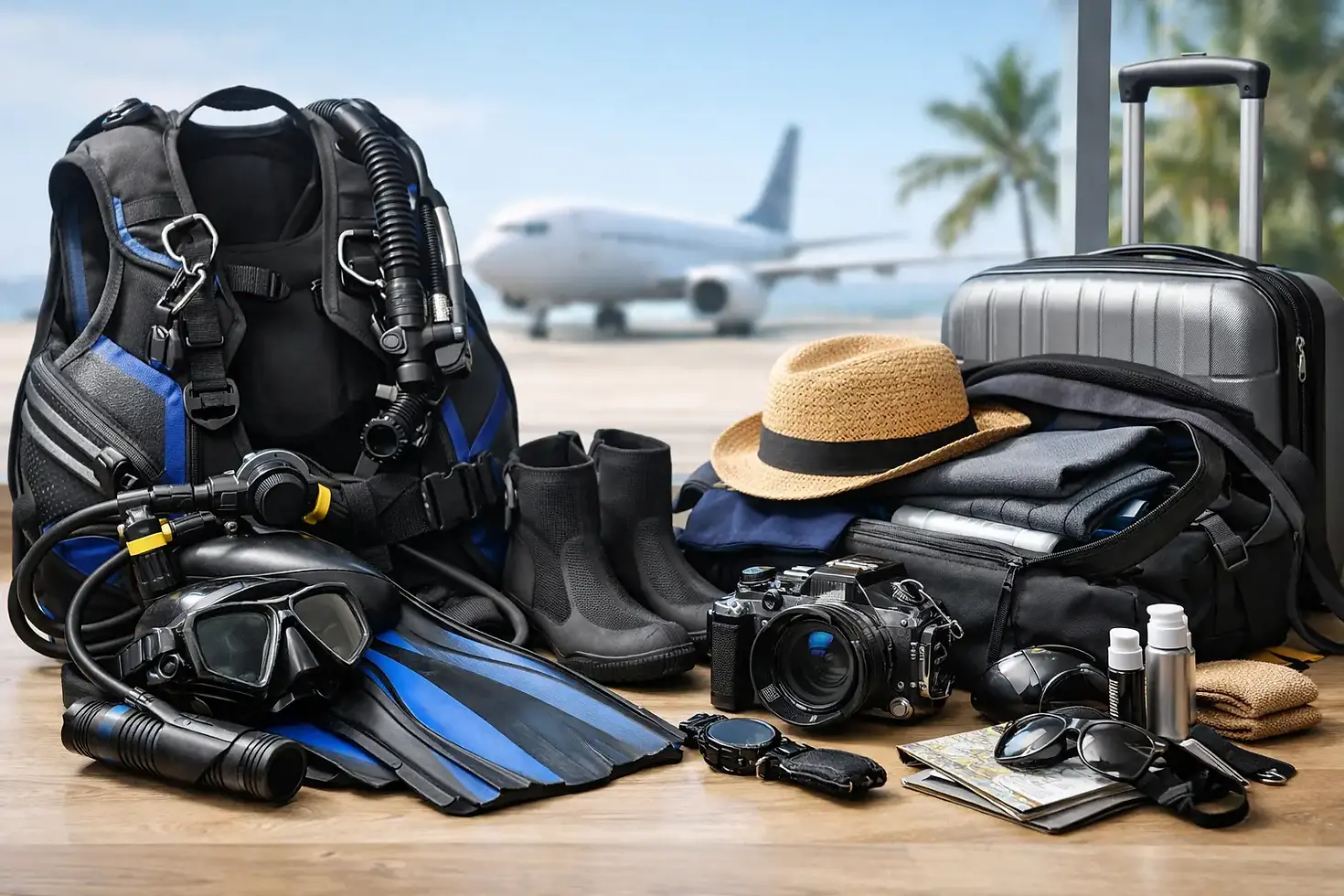
Scuba Trip Packing List for International Travel

Miss one charging cable on a domestic dive weekend and you can usually buy a replacement. Miss a regulator adapter, reef-safe meds, or the right paperwork on an international trip, and you can lose valuable dive time fast. That is why a smart scuba trip packing list international travelers can actually use is less about stuffing a bag and more about protecting the vacation you worked hard to book.
For most divers, the goal is simple - get to the destination, get in the water quickly, and avoid those expensive, annoying surprises that eat into the trip. Packing for Cozumel is not exactly the same as packing for Indonesia, Galapagos, or the Maldives. Resort diving, liveaboards, and combo trips all shift what matters. The best packing list covers the essentials first, then adjusts for destination, baggage rules, and the kind of diving you are doing.
What a scuba trip packing list international travelers need should cover
Think in five categories: documents, dive gear, clothing, health items, and travel logistics. If one of those is overlooked, the whole trip gets less enjoyable.
Documents come first because they are the hardest to replace. You want your passport with enough validity for the destination, any required visas, dive certification cards, travel insurance details, dive accident coverage information, and a record of your itinerary and transfers. If you use digital copies, keep them on your phone, but also carry printed backups. Airports lose Wi-Fi at the worst times, and some remote destinations do not care that your app will not load.
Your dive gear is next, but this is where many people overpack. Not every trip requires every piece of gear you own. A warm-water resort trip might only justify your mask, computer, exposure suit, and essentials you strongly prefer for fit and comfort. A liveaboard with multiple dives a day makes spare items more valuable because there is no easy shop run if something fails.
Dive gear: bring what matters most to your comfort
If you ask experienced divers what they always pack themselves, the answers are pretty consistent. Mask, prescription mask if needed, dive computer, exposure protection that fits well, and personal accessories like SMB, whistle, or reef hook if destination-appropriate tend to make the cut. These are the items that affect safety, familiarity, and how relaxed you feel underwater.
Regulators and BCDs are where it depends. If you are very particular about your setup, doing demanding diving, or heading somewhere remote, bringing your own makes sense. If you are doing straightforward resort diving with a quality operator, renting may save weight and hassle. There is no universal right answer. The trade-off is baggage cost versus familiarity and control.
Fins are another judgment call. They take up room, but poor rental fins can make a week of diving less fun than it should be. If your fins fit perfectly and travel well, bring them. If luggage space is tight and the operator has reliable equipment, you may choose to skip them.
A practical personal gear setup often includes your mask in a hard case, computer, swimsuit or rash guard, wetsuit or skins, boots if needed, and a save-a-dive kit with a few genuinely useful spares. Keep that kit realistic. A couple of zip ties, fin straps, O-rings, mouthpiece, spare batteries if your gear uses them, and basic tools go farther than packing half your garage.
Carry-on vs checked bag on an international scuba trip
This is where smart packing saves trips. Anything difficult to replace or essential for your first dives should go in your carry-on if airline rules allow it. That usually means your mask, computer, regulator, prescription items, paperwork, swimsuit, and one change of clothes. If checked luggage is delayed, you can often still start the trip with rentals and a few personal essentials.
Checked luggage should carry the bulkier, less fragile items. Wetsuits, fins, BCDs, clothes, toiletries, and non-urgent accessories usually belong there. Use soft items like rash guards and T-shirts to cushion delicate gear. A luggage scale is worth packing before the trip or using at home, because international baggage fees can get ugly fast, especially when a liveaboard transfer adds another airline with stricter limits.
If your itinerary includes seaplanes, small regional flights, or boat transfers, pack even lighter than you think you need to. Published baggage allowances do not always tell the whole story in remote dive destinations.
Clothing and non-dive items people forget
A scuba-focused trip still has plenty of non-dive time, and that is where overpacking sneaks in. You probably need less clothing than you think, especially on liveaboards where the dress code is basically dry, casual, and sun-safe.
What you do need is clothing that works in layers. Think travel day outfit, lightweight tops, casual dinner wear where appropriate, sleepwear, sandals, sun hat, sunglasses, and a light rain shell or hoodie for windy decks and chilly transfers. If your destination includes temple visits, city stays, or upscale resort dinners before or after diving, adjust accordingly.
Laundry access matters. On a liveaboard, expect to re-wear casual clothes. At a resort, you may have laundry service and can pack lighter. For combo trips, pack for the most restrictive leg, not the easiest one.
Dry bags, packing cubes, and a small laundry bag are not glamorous, but they make life easier every single day. The same goes for extra zip-top bags for wet gear, sunscreen leaks, and protecting electronics.
Health, comfort, and medication essentials
This section gets overlooked until someone is hunting for motion sickness tablets at a tiny dock shop. Pack all prescription medications in original containers, plus a little extra in case of delays. Add over-the-counter basics you know work for you: seasickness meds, pain reliever, anti-diarrheal medication, antihistamine, bandages, and ear care items if you use them.
If you are diving several days in a row, hydration support matters more than many people realize. Electrolyte packets are easy to carry and genuinely useful in hot climates. Reef-safe sunscreen, lip balm with SPF, and after-sun lotion are also worth the space.
If you wear contacts, bring more than you expect to need. If you rely on a prescription mask, consider that a must-protect item in your carry-on. A lost checked bag is annoying. A lost way to see underwater is trip-changing.
The international extras that make travel smoother
A strong scuba trip packing list international destinations demand should include more than dive gear. Power adapters, charging cables, battery packs, and country-specific plug converters are easy to forget and frustrating to replace. Add a small extension cord or multi-port USB charger if you travel with multiple devices like phone, watch, camera, strobes, and computer.
Cash matters too. Some remote destinations prefer cash for crew tips, marine park fees, or small purchases. Bring clean bills in widely accepted denominations when appropriate, and do not assume every dock, resort, or island accepts cards.
For cameras, be honest with yourself. If underwater photography is a major part of the trip, pack carefully and build in redundancy for chargers, memory cards, and O-rings. If it is not, keep your setup simple. Too much camera gear can turn a relaxing dive vacation into a logistics project.
Adjust your packing list to the trip style
Resort trips are usually the easiest to pack for because rental gear, housekeeping, and local support are often available. Liveaboards reward more preparation because access to stores is limited and repeated diving puts more pressure on every piece of gear. International group trips sit somewhere in the middle, but they benefit from consistency - when everyone shows up prepared, the trip starts smoother and stays that way.
This is also where working with dive-focused travel planners helps. A good advisor will tell you if your destination uses DIN or yoke more commonly, how strict baggage limits really are, whether you need extra exposure protection, and what the boat or resort already provides. That kind of guidance saves space, stress, and often money.
A final pre-trip check before you zip the bag
A few days before departure, lay everything out and ask three questions. Can I dive comfortably if my checked bag is late? Am I carrying anything I can easily rent instead? Have I packed for this exact destination and trip format, not just for diving in general?
That small reality check is what turns a generic packing list into a useful one. The best international dive trips feel easy once they start, and that usually comes down to preparation you barely notice later. Pack for comfort, pack for flexibility, and leave yourself free to enjoy the reason you booked the trip in the first place - more time underwater and fewer headaches on land.


Comments